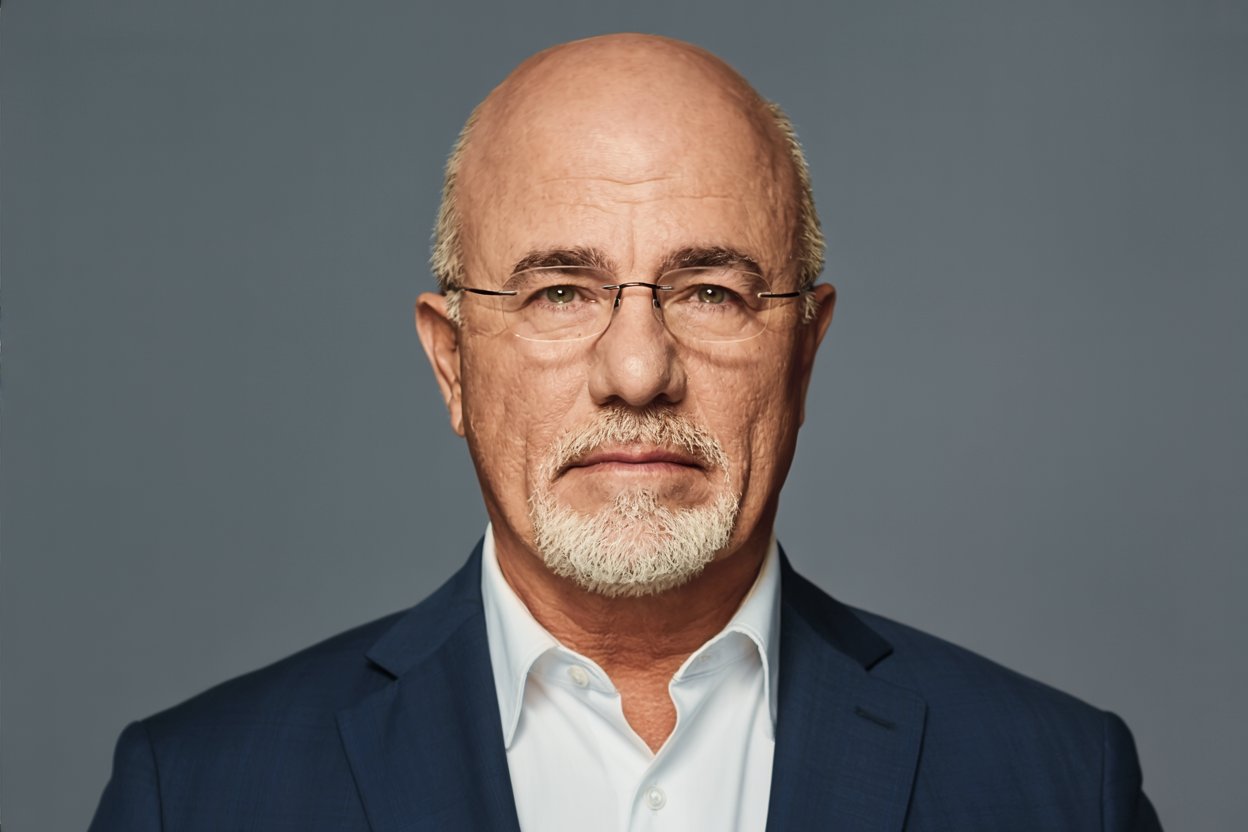
Why Middle Class People Shouldn’t Buy New Cars (But Rich People Can), According to Dave Ramsey
Dave Ramsey built his financial education empire by challenging the spending habits that keep middle-class families trapped in perpetual debt cycles. Among his most controversial but consistent teachings is his stance on buying new cars.
Its message cuts through the cultural narrative that new cars represent success: buying new vehicles destroys middle-class wealth, while wealthy individuals can absorb the financial impact without derailing their prosperity.
1. The depreciation of new cars is devastating the finances of the middle class
“The average car payment is $554 over 72 months.” –Dave Ramsey.
Ramsey consistently points out that new vehicles lose about 60% of their value in the first four years of ownership. This destruction of wealth hits middle-class families devastatingly as they attempt to build their financial foundations rather than maintain their established wealth.
For someone earning a middle-class income, committing hundreds of dollars each month to a depreciating asset makes it difficult to build emergency funds, invest for retirement, or pay off debt.
Math reveals the disparity between middle-class and wealthy car buyers. When a family with modest assets buys a new car, they are spending a large percentage of their net worth on something that loses value daily.
Wealthy individuals experience identical percentages of depreciation, but the impact is barely felt on their established asset base. A millionaire who buys a luxury vehicle views depreciation as inconsequential, while a middle-class family faces years of financial setbacks because of the same decision.
2. Monthly payments destroy the wealth creation dynamic
“If you invested that car payment in a good mutual fund between the ages of 25 and 65, you would have millions in retirement.” –Dave Ramsey.
Ramsey’s philosophy centers on the constant accumulation of wealth through disciplined investments. He points out that average Americans maintain their car payments throughout their adult lives, moving from one financed vehicle to another without interruption. This perpetual payment cycle represents more than just the price of cars; this eliminates the possibility of compound growth over decades.
Opportunity cost represents the hidden tragedy for middle-class buyers. They don’t just lose money from depreciation; they sacrifice the exponential growth their money could achieve through long-term investments.
High net worth individuals can purchase vehicles without disrupting their investment strategy. Their dividend income, trading profits and investment returns continue to flow uninterrupted, while middle-class families redirect their potential investment capital towards loan repayments, higher insurance premiums and higher registration fees.
3. Auto Debt Creates a Financial Quicksand Trap
“Broke people think they deserve a new car because everyone else has one.” –Dave Ramsey.
Ramsey views car debt as particularly dangerous because society has normalized it and accepted it as inevitable. This cultural acceptance creates a cycle of perpetual debt that prevents the accumulation of wealth for middle-class families.
Underpriced loan swaps, extended financing terms, and gap insurance all signal financial decisions that wealthy individuals avoid altogether because they don’t need to justify purchases they can’t afford.
Psychology matters as much as mathematics. Middle-class families often justify purchasing a new car by citing safety features, reliability issues and warranty coverage. Yet these same families typically carry credit card balances and don’t have enough emergency savings.
Wealthy buyers approach vehicles from a completely different perspective, because the purchase does not require financial compromises in other areas. They don’t have to choose between retirement contributions and heated seats, between college savings and advanced safety programs.
4. Used vehicles provide transportation without destruction of wealth
“Drive a used car while building wealth, then upgrade it when you can afford it.” –Dave Ramsey.
Ramsey’s practical alternative is to purchase quality used vehicles with cash. A three-year-old car offers essentially the same transportation as a new model, but costs a lot less. This approach allows middle-class families to allocate hundreds of dollars each month to appreciating investments, rather than assets that depreciate upon purchase.
High net worth individuals do not need this strategy because they have already built up substantial assets generating passive income. Their investment portfolios generate enough cash flow that purchasing a new car does not impact their overall financial trajectory or compromise their wealth creation momentum.
A middle-class family making the same purchase sacrifices years of potential wealth accumulation for the temporary satisfaction of owning something brand new.
5. Status-related spending delays middle-class financial success
“You’re trying to impress people you don’t even like with money you don’t have.” –Dave Ramsey.
Ramsey addresses the emotional component directly and without apology. New cars function as visible status symbols communicating success, but they actually get in the way of achieving the financial success they are supposed to project.
The irony is stark: many people driving impressive vehicles have not built real wealth. They prioritized looking rich over becoming rich, opting for perception over reality.
Truly wealthy individuals often drive modest vehicles because they understand the fundamental difference between appearing wealthy and actually creating wealth. Ramsey frequently references research showing that millionaires are more likely to buy used cars than the general population.
They built their wealth precisely because they avoided the financial traps that keep middle-class families struggling, including the endless cycle of new car purchases that shifts wealth from buyers to manufacturers and lenders.
6. When middle-class families can buy new cars
“When you can pay cash and it doesn’t compromise your financial goals, you can afford it. » –Dave Ramsey.
Ramsey recognizes a threshold at which new car purchases make financial sense. His guideline is simple: When you have no debt, have a fully funded emergency fund covering several months of expenses, invest regularly for retirement, and can pay cash for the vehicle. Under these conditions, the purchase will not derail progress in wealth creation or undermine financial stability.
This standard reveals the fundamental principle that separates middle-class buyers from the wealthy. Wealthy individuals can afford to buy new cars because the purchase does not compromise their financial base. They have already built up a cushion of wealth that absorbs depreciation without significant consequences.
Middle-class families buying new cars have not yet reached that threshold, so every dollar lost to depreciation represents a dollar that could have been used to build true financial security and long-term prosperity.
Conclusion
Ramsey’s message ultimately challenges the middle-class assumption that new cars are necessary or deserved purchases. These are actually obstacles that delay the accumulation of wealth necessary to make such purchases truly affordable.
The rich can absorb the depreciation because they have already won the financial game; the middle class is still learning to play. His advice is not about deprivation; it’s about prioritizing real wealth over the appearance of wealth, choosing financial freedom over monthly payments, and understanding that the car in your driveway matters far less than the assets in your investment accounts.
Lifestyle
Agen Togel Terpercaya
Bandar Togel
Sabung Ayam Online
Berita Terkini
Artikel Terbaru
Berita Terbaru
Penerbangan
Berita Politik
Berita Politik
Software
Software Download
Download Aplikasi
Berita Terkini
News
Jasa PBN
Jasa Artikel

Related Posts

Best Pumpkin Recipes

Savory Pumpkin Fritters